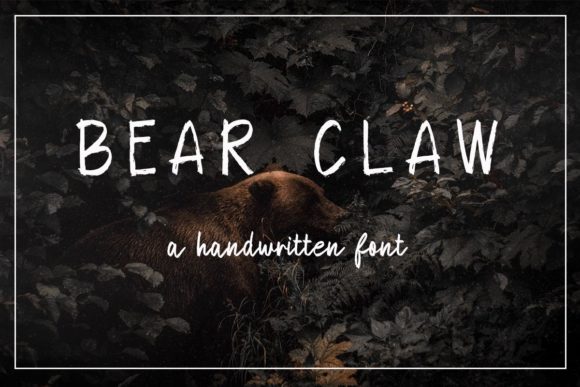
Bear Claw: The Rough Handwritten Font for Bold Branding
I opened a blank brand board on my screen, staring at the empty canvas where a new boutique coffee shop identity needed to take shape. The client wanted something that felt unpolished but intentional, a visual voice that whispered of artisanal roasting and morning rituals without trying too hard. That was when I decided to test Bear Claw, a rough and textured handwritten font that promises to shape and elevate each of your designs with its unique character.
As an experienced brand designer, I don't just look at letterforms; I look at how they behave in the real world. This Script Handwritten typeface isn't just another decorative element; it's a statement piece that demands attention while maintaining a human touch. In this review, I'm breaking down exactly how this Fonts collection performed when I applied it to everything from a logo concept to a social media layout, giving you the honest truth before you download it.
Bear Claw as a Logo Design Element for Artisanal Brands
When I dropped Bear Claw into the initial logo drafts for the coffee shop, the immediate shift in tone was undeniable. Unlike standard serif or sans serif fonts that often feel sterile in creative industries, this Script Handwritten style brought an instant sense of authenticity and grit to the mark. The rough texture of the letters mimicked the look of hand-stamped signage or ink pressed onto kraft paper, which is exactly the vibe we were chasing.
The font's unique structure allows it to stand alone as a primary logotype without needing heavy graphic embellishments. When placed next to a simple icon, the text held its own, creating a balanced hierarchy that felt organic rather than forced. However, I found that it works best as a display font or headline font rather than a supporting typeface for smaller details. If you are building a brand identity for a bakery, a handmade shop, or a creative studio, Bear Claw provides the perfect "rough and textured" personality that signals craftsmanship.
Testing Bear Claw on Packaging Mockups and Product Labels
Moving beyond the digital screen, I tested the Fonts file on a series of packaging mockups for a skincare product line. The challenge here was ensuring the texture didn't get lost when scaled down to a small jar label. The answer was yes, provided the background contrast was high enough. The handwritten strokes create a tactile feeling that makes the packaging pop off the shelf, suggesting a natural, non-synthetic product.
In commercial design assets like product labels, Bear Claw excels at conveying a story. It feels like a note written by the creator directly to the customer. I paired it with a clean sans serif font for the ingredient lists and volume details, which created a modern typography system that kept the design readable while retaining that signature artistic flair. This combination ensures that while the brand name grabs attention, the essential information remains clear.
Bear Claw for Social Media Graphics and Web Design Headers
Social media graphics require fonts that stop the scroll, and Bear Claw delivers on that front effortlessly. I used it for Instagram post headers and website hero sections, where its textured nature adds depth that flat vector graphics often lack. The font's ability to shape and elevate each of your designs becomes apparent when you consider how it interacts with photography. It doesn't compete with images; instead, it frames them with a raw, editorial feel.
For web design, I utilized the font in the main navigation and hero headlines. It transforms a generic template into a custom-looking site instantly. However, I must note that it is not suitable for long body text or small captions. Its rough edges can become difficult to read at very small sizes or on low-resolution screens. For these areas, I recommend sticking to a highly legible serif font or a neutral sans serif font to maintain professional standards and ensure accessibility.
Bear Claw for Business Cards and Editorial Design Projects
One of the most satisfying moments in my testing process was printing a business card using Bear Claw. The texture of the font translated beautifully to paper, especially when printed on a textured stock. It gave the card a premium feel, elevating the perceived value of the brand. In editorial design, such as magazine layouts or blog headers, the font acts as a powerful accent font that guides the reader's eye through the content.
When reviewing the included styles, alternates, and ligatures, I noticed how much control the designer has over the final look. These variations allow for dynamic spacing and flow, preventing the text from looking repetitive. Whether you are designing a flyer for a local event or a full brand identity kit, having access to these nuances is crucial for creating a cohesive visual language.
What Makes Bear Claw Unique Among Script Handwritten Fonts
There are thousands of script fonts available, but Bear Claw stands out because of its specific balance between chaos and control. Many handwritten fonts lean too far into illegibility or appear too polished and artificial. This Script Handwritten typeface manages to be both simple and unique, offering a rugged aesthetic that feels genuine. It is designed to shape and elevate each of your designs by adding a layer of personality that standard typefaces simply cannot replicate.
If you are looking for a creative font that bridges the gap between professional branding and artistic expression, this is a strong contender. It works exceptionally well for audiences who value authenticity, such as crafters, hobbyists, and small business owners selling handmade goods. The font brings a human element to digital spaces, reminding viewers that there is a person behind the brand.
Practical Tips for Testing and Licensing Bear Claw
Before committing to Bear Claw for a final client project, I strongly advise testing it across various mediums. Try placing it on a shop sign mockup, a homepage hero section, and a printed card to see how the texture holds up in different contexts. Pay close attention to readability, especially if you plan to use it for anything longer than a short phrase or a single word.
It is also vital to check the commercial font licensing agreement before using the font in client work, brand identity, packaging, templates, merchandise, websites, or print-on-demand products. Understanding the scope of your license protects both you and your clients from potential legal issues. While Bear Claw is versatile and powerful, knowing its limitations and proper usage will ensure your designs remain professional and effective.
Ultimately, if you need a font that brings texture, character, and a touch of rebellion to your portfolio, Bear Claw is worth the investment. It transforms ordinary layouts into memorable experiences, proving that sometimes the rougher the surface, the more impactful the message.